March 5, 2026
Metal components are the backbone of modern infrastructure. From structural beams in commercial buildings to intricate parts inside industrial machinery, fabricated metal shapes the reliability and safety of countless systems. While strength and durability are essential, one factor stands above the rest in determining performance: precision. Even a slight measurement error can compromise fit, function, and long-term structural integrity.
Precision is not simply about cutting metal to size. It involves accurate measurements, tight tolerances, advanced machinery, skilled craftsmanship, and rigorous quality control. In industries where safety and performance are non-negotiable, accuracy determines whether a project succeeds or fails. According to the U.S. Department of Commerce, metal fabrication is the third-largest industry in the U.S. manufacturing landscape, highlighting its widespread impact across sectors. In this article, we will explore why precision matters in custom metal fabrication and how it directly influences quality, durability, and overall project success.
It Ensures Structural Integrity and Load Performance
Structural reliability begins with accuracy. When fabricated metal components are even slightly off-spec, they may not align properly with other structural elements. This can create uneven load distribution, added stress points, and long-term weaknesses. Over time, these inconsistencies can lead to cracking, warping, or even failure under pressure.
In construction and heavy industrial applications, fabricated components often bear significant weight. Steel beams, support brackets, and framing systems must meet exact specifications to maintain building stability. Precision ensures that each component performs as engineered, supporting safe and predictable load transfer.
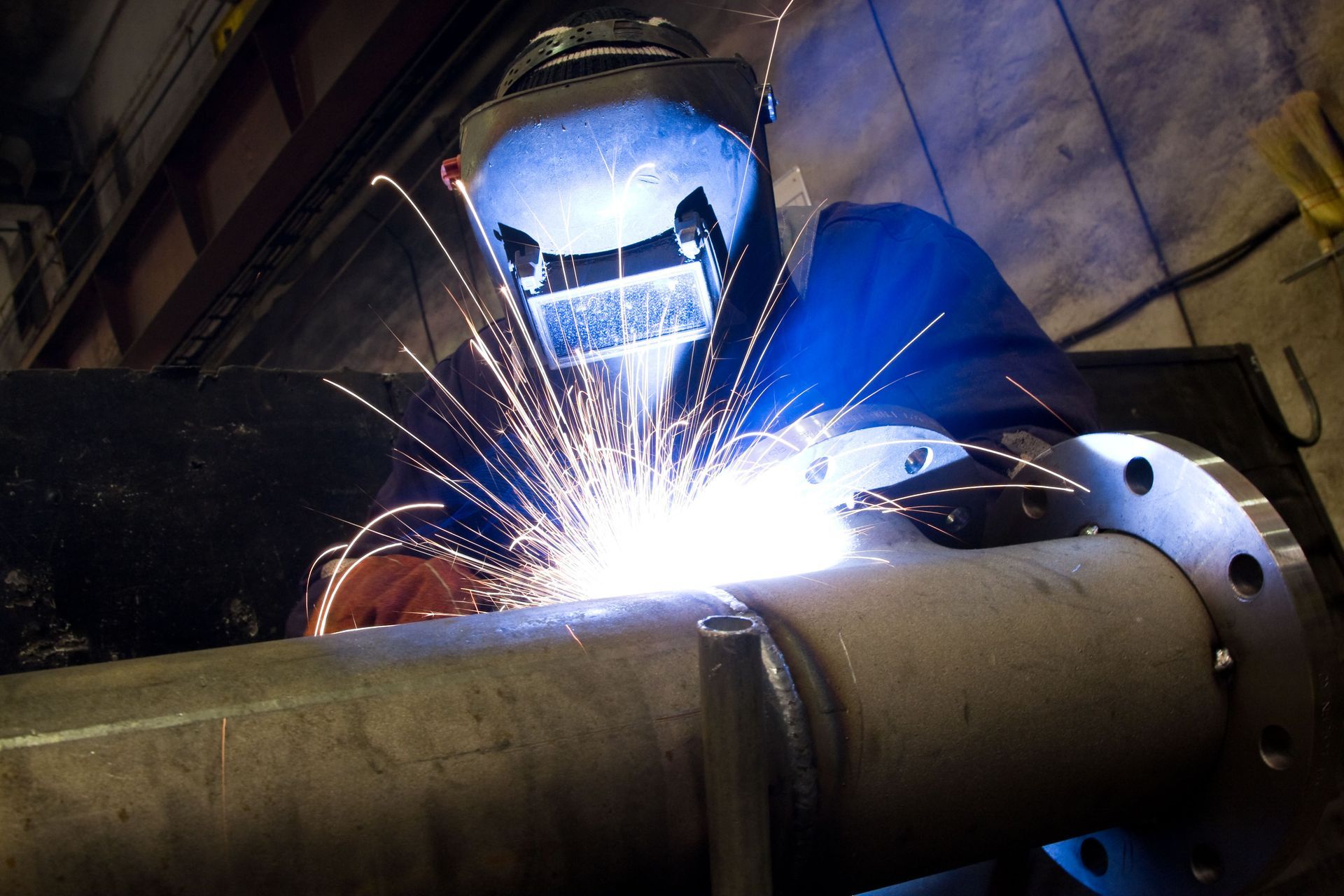
In custom metal fabrication, maintaining tight tolerances protects the overall structural system. Fabricators rely on detailed drawings and advanced equipment to achieve consistent accuracy. When every cut, bend, and weld is executed precisely, the final assembly functions as intended and maintains its strength over time.
It Improves Component Fit and Assembly Efficiency
One of the most immediate benefits of precision is proper fit. Fabricated parts are often designed to integrate seamlessly with other components, whether in a manufacturing line, architectural installation, or mechanical system. If measurements are inaccurate, parts may require rework, adjustments, or complete replacement.
Improper fit increases labor costs and extends project timelines. Installers may need to drill additional holes, grind edges, or force alignment, which compromises structural integrity and safety. These adjustments can also introduce stress points that reduce long-term durability.
Custom metal fabrication emphasizes precise measurements from the beginning to eliminate these issues. Accurate fabrication ensures that components align correctly during installation, reducing delays and promoting smoother project completion. Efficiency improves when parts arrive ready to assemble without modification.
It Enhances Durability and Long-Term Performance
Durability is directly tied to precision. When metal components are fabricated accurately, they distribute stress evenly and resist premature wear. Conversely, misaligned or poorly fitted parts can create friction, vibration, and uneven load transfer that accelerates deterioration.
Precision cutting and bending also protect material integrity. Excessive heat, improper angles, or uneven welds can weaken the metal's structure. Skilled fabricators use calibrated equipment and controlled processes to preserve strength throughout production.
In custom metal fabrication, attention to detail ensures that each piece maintains its intended performance characteristics. Accurate weld placement, consistent thickness, and proper reinforcement all contribute to long-term reliability. Over time, this precision reduces maintenance needs and extends service life.
It Maintains Safety and Regulatory Compliance
Many fabrication projects must meet strict industry standards and building codes. Structural components used in commercial construction, transportation systems, and manufacturing equipment are subject to safety regulations that require precise specifications.
Failure to meet these standards can result in costly inspections, penalties, or mandatory corrections. More importantly, inaccuracies can create safety hazards. A misaligned bracket or improperly sized support can compromise equipment stability or structural security.
Precision in custom metal fabrication supports compliance with regulatory requirements. Detailed quality control procedures verify measurements, weld strength, and material consistency. By adhering to strict tolerances, fabricators help ensure that finished products meet both safety guidelines and performance expectations.
It Supports Advanced Design and Complex Applications
Modern fabrication projects often involve complex geometries and specialized designs. Architectural features, custom machinery components, and decorative metal installations require more than basic cutting and welding. They demand detailed planning and exact execution.
Advanced technologies such as CNC machining, laser cutting, and robotic welding allow fabricators to achieve exceptional accuracy. These tools translate digital designs into precisely manufactured components. However, even the most sophisticated equipment requires skilled operators who understand the importance of precision at every stage.
Custom metal fabrication enables engineers and designers to push creative and functional boundaries. With accurate production methods, intricate designs become achievable without sacrificing strength or reliability. Precision makes innovation possible.
It Reduces Material Waste and Production Costs
Accuracy also plays a significant role in cost efficiency. When measurements are incorrect, materials may be scrapped or reworked. This waste increases expenses and delays project completion. Precise fabrication minimizes errors and maximizes material utilization.
Cutting metal to exact dimensions reduces offcuts and unnecessary excess. Accurate bending and shaping eliminate the need for repeated adjustments. Over large production runs, even small improvements in precision can lead to substantial cost savings.
Custom metal fabrication that prioritizes accuracy supports both environmental responsibility and financial efficiency. Reducing waste not only lowers production costs but also contributes to more sustainable manufacturing practices.
It Strengthens Brand Reputation and Client Confidence
In competitive industries, reputation matters. Clients depend on fabricators to deliver reliable components that meet exact specifications. A pattern of inaccuracies can damage trust and lead to lost opportunities.
Precision demonstrates professionalism and commitment to quality. When components arrive on-site ready for seamless installation, clients recognize the value of accurate workmanship. Consistent performance builds long-term partnerships and repeat business.
Custom metal fabrication companies that emphasize precision distinguish themselves through reliability. Their ability to meet tight deadlines while maintaining high standards reinforces client confidence and strengthens their position in the market.
It Integrates Technology With Skilled Craftsmanship
While advanced machinery plays a key role in fabrication accuracy, human expertise remains essential. Precision is achieved through a combination of digital design, calibrated equipment, and experienced technicians who understand material behavior.
Fabricators must interpret engineering drawings accurately, monitor machine settings, and verify output at each stage. Quality checks ensure that measurements remain within specified tolerances. This integration of technology and craftsmanship creates dependable results.
Custom metal fabrication thrives when precision is embedded into every phase of production. From initial design consultation to final inspection, attention to detail shapes the overall quality of the finished product.
Precision is the foundation of successful metal fabrication. Accurate measurements, tight tolerances, and careful quality control directly influence structural integrity, durability, safety, and efficiency. In an industry that plays a vital role in national infrastructure and manufacturing, accuracy is not optional. It is essential.
From ensuring proper fit during assembly to supporting innovative designs, precision enhances every aspect of fabrication. It reduces waste, strengthens performance, and builds client trust. Custom metal fabrication that prioritizes accuracy delivers components that perform reliably under demanding conditions.
If you are planning a fabrication project and want results that meet exact specifications, partner with a professional team that values precision at every step. Contact an experienced fabricator at Teton Metal Fabrication today to discuss your project requirements and move forward with confidence. We'll be happy to answer any questions you may have before hiring our team for our dependable services.